
Store fixtures rarely wear out all at once. Tops get scratched, edges chip, finishes fade and the brand moves on, while the boxes underneath are often still sound. A refresh program can extend the life of existing fixtures, replace only what needs replacing, and keep stores trading while the work is done. Here is how to decide what to keep, what to reface and what to replace, and how to plan the work.
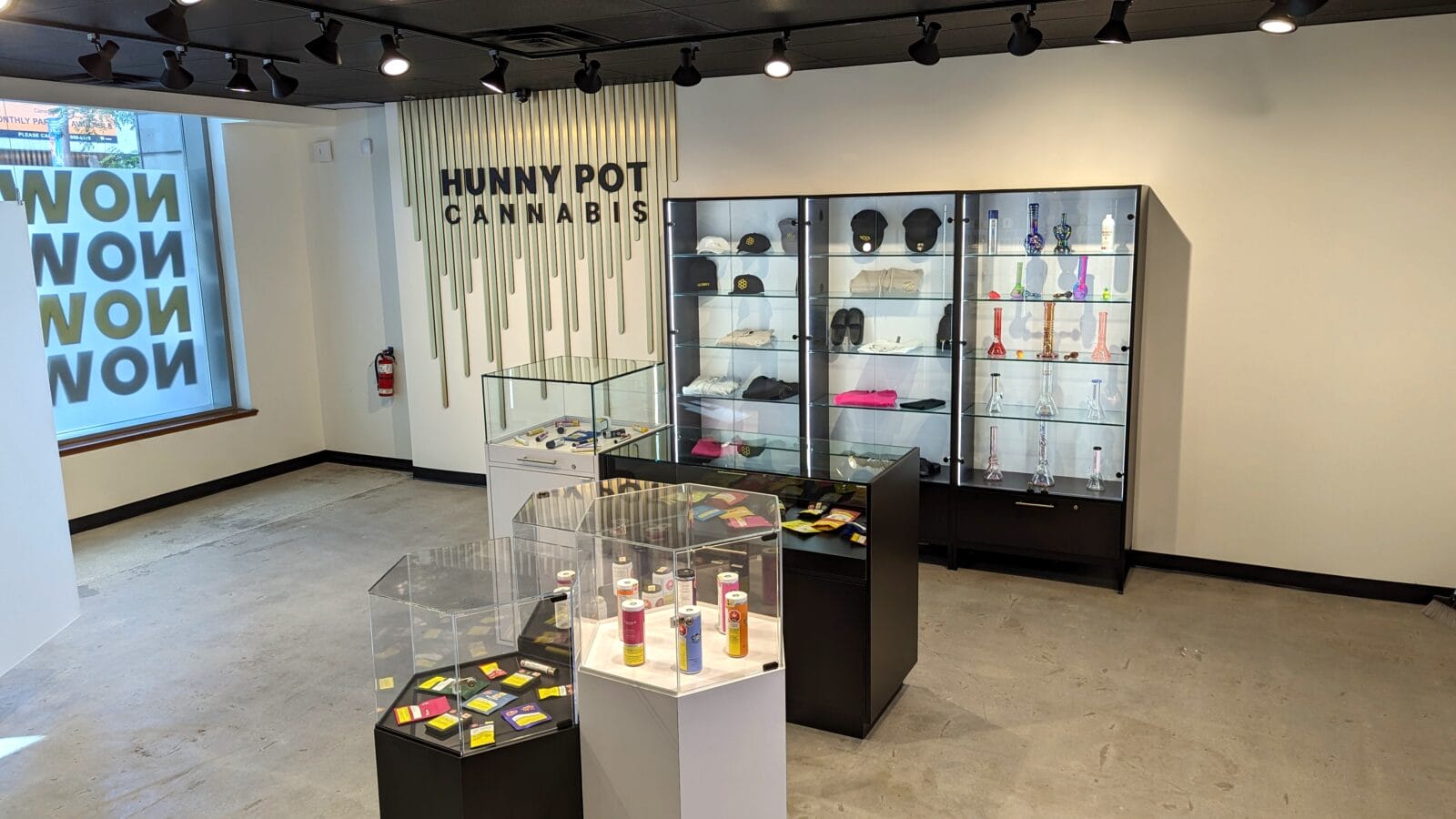
Start with a condition survey
Before deciding, survey the fixtures in a representative set of stores, with photos and notes for each fixture type:
- Structure: are boxes, frames and joints sound, or are there swollen cores, loose joints or failed hardware?
- Surfaces: worn or damaged tops, chipped edges, faded or scratched finishes.
- Function: do the fixtures still suit how the store sells and works, including online order pickup, new POS equipment and current merchandise?
- Brand fit: do colours, materials and forms still match the brand standard?
- Lighting and power: outdated lighting, failed drivers, power and data in the wrong places.
The survey usually shows that a few fixture types drive most of the problems, which focuses the budget.
Refurbish: repair what is there
Refurbishing keeps the fixture as it is and repairs it: new hardware, repaired edges, touched-up finishes, replaced shelves. For a few fixtures it is usually the lowest-cost option, and it suits fixtures that are structurally sound and still fit the brand. Across many stores, though, skilled repair work in each store can cost more per fixture than standard reface parts made in a shop. The limits are cosmetic: a refurbished fixture looks like a repaired old fixture, and repairs to laminate and veneer rarely disappear completely.
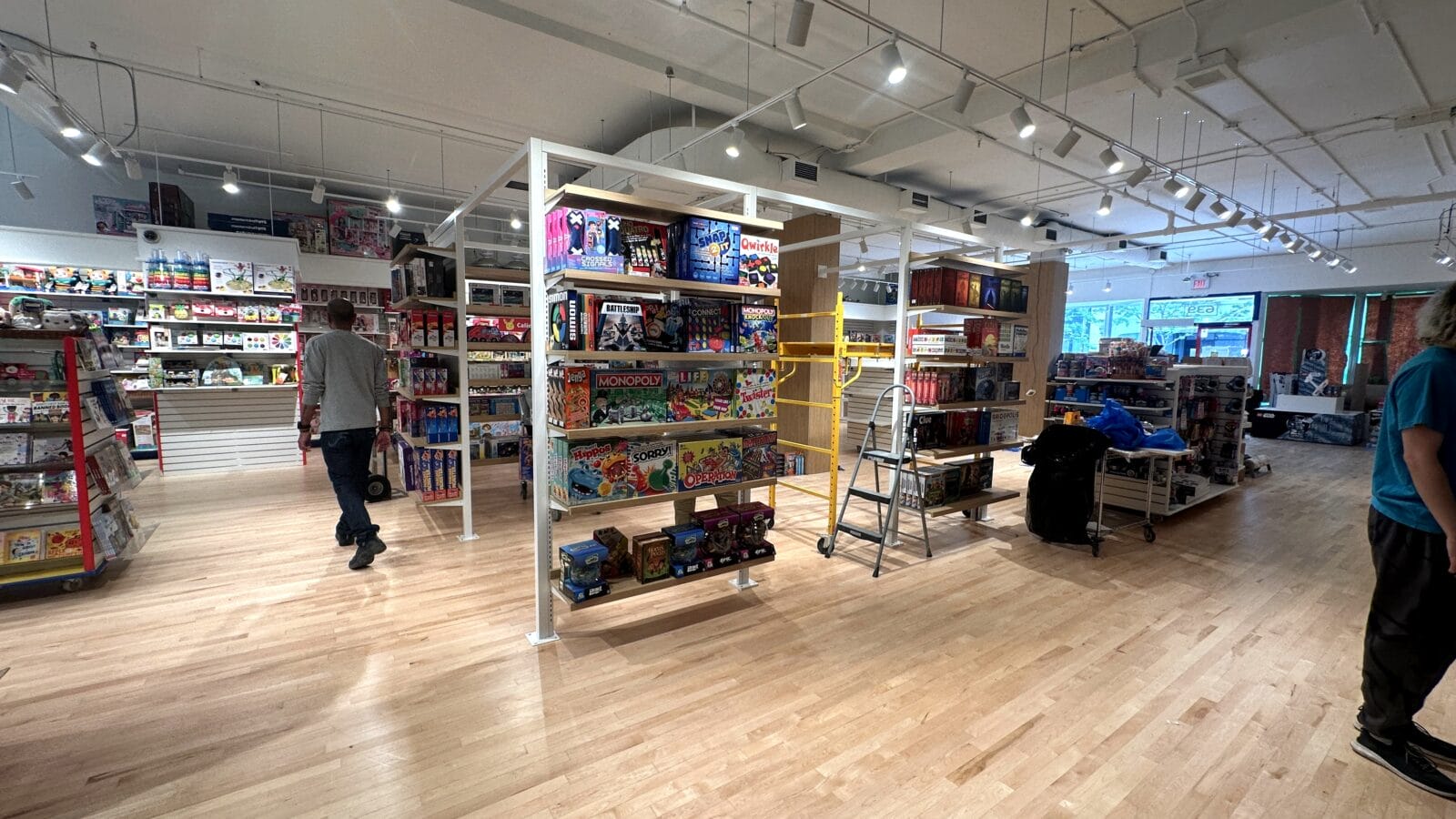
Reface: new surfaces on a sound structure
Refacing keeps the structure and replaces the visible parts: new tops, new fronts and door panels, new end panels, new edges and kick bases. It can change the look substantially for less than replacement, and it produces less waste. It works best when the existing boxes are sound and their dimensions still suit the layout. New tops in solid surface or quartz, new laminate or veneer fronts, and new lighting can make an older cash wrap or wall unit look current. See laminate vs veneer and solid surface vs quartz for material choices.
Refacing needs accurate measurements of the existing fixtures, because new parts have to fit old boxes that may have racked, settled or been repaired over the years. Plan a detailed site survey, with templates or 3D scanning for complex pieces, and allow for scribes and adjustment on site.
Replace: when the fixture no longer works
Replacement makes sense when structures are failing, when the fixture no longer suits how the store works, or when the brand change is large enough that refacing would cost nearly as much as new. Replacement also allows changes that refacing cannot make: different dimensions, new storage, integrated power and data, and better accessibility at service counters. In Ontario, the accessible service counter requirements in Ontario’s Design of Public Spaces Standards apply to new counters, including replacements of existing ones, and larger alterations can also bring in the accessibility provisions of the Ontario Building Code; see our cash wrap guide.
Lighting in a refresh
Older fixtures often have fluorescent or halogen lighting, or early LEDs that have failed or shifted colour. Replacing the lighting is one of the most visible improvements a refresh can make. Modifying the electrical parts of a certified fixture can void its certification. Lit millwork is electrical equipment, so agree early with the electrical consultant how it will be approved and connected. Old fluorescent lamps contain mercury and some older ballasts contain PCBs, so removed lighting needs proper disposal. Our guide to LED lighting in store fixtures covers approval, drivers and access.
Planning the work in a trading store
- Phasing: work zone by zone, so the store can keep trading, with temporary fixtures where needed.
- Night and off-hours work: many malls require noisy or disruptive work outside trading hours. Confirm the landlord’s rules.
- Prefabrication: doing as much as possible in the shop, such as pre-assembled tops, fronts and lit panels, reduces time and dust in the store.
- Protection: dust barriers, floor protection and protection for stock and fixtures that stay in place.
- Permits: some refresh work, such as layout changes that affect exits or sprinklers, or new electrical and plumbing work, needs permits. Check with the GC or designer early.
- Stock handling: plan where merchandise goes while fixtures are worked on.
- Disposal: plan removal of old fixtures and packaging, and look for reuse or recycling where possible.
Refresh programs across many stores
For a chain, a refresh is a rollout of its own. Standardize the scope by fixture type and store format, pilot it in one or two stores, then schedule the rest. Kits of new parts per store, labelled to each fixture, make installation predictable. See rollout programs and our guide to shipping fixtures for rollouts.
What to decide before pricing
- The survey results and the scope for each fixture type: refurbish, reface or replace.
- New materials, finishes and lighting.
- Which stores, in what order, and the trading and landlord constraints for each.
- Who removes and disposes of old fixtures.
- Whether a pilot store will be done first.
Refresh work with DNS
DNS Industries refurbishes and replaces store fixtures for retailers across Ontario, from single-store updates to chain-wide refresh programs. We build replacement fixtures and new tops, fronts and panels for refresh programs in our Vaughan plant, including solid surface and LED integration coordinated to project requirements and jurisdiction, and we kit them store by store for multi-store programs. Our drafting team issues shop drawings for review before production. Send us photos and drawings of your existing fixtures and the scope you have in mind.
Frequently asked questions
Should store fixtures be refurbished or replaced?
Refurbish when fixtures are structurally sound and still suit the brand, and only need repairs. Reface when the structure is sound but the look needs to change. Replace when structures are failing, the fixture no longer suits how the store works, or refacing would cost nearly as much as new.
What does refacing a store fixture involve?
Keeping the existing structure and replacing the visible parts: tops, fronts, door and end panels, edges and kick bases, often with new lighting. It needs accurate measurements of the existing fixtures so new parts fit.
Can a store stay open during a fixture refresh?
Usually, by phasing the work zone by zone, using temporary fixtures, doing disruptive work outside trading hours where the landlord requires it, and prefabricating as much as possible in the shop.
Does replacing a cash wrap trigger accessibility requirements in Ontario?
Yes. Ontario’s Design of Public Spaces Standards apply to new service counters, including replacements of existing ones, so a replacement cash wrap needs to meet the accessible counter requirements.
Can old store fixture lighting be upgraded to LED?
Yes, and it is one of the most visible improvements in a refresh. Modifying the electrical parts of an approved fixture can affect its approval, so plan how the modified or new lit fixtures will be approved.