DNS Industries builds permanent and semi-permanent retail displays in Vaughan, Ontario: branded fixtures, merchandisers, counters and shop-in-shop units made in wood, laminate, solid surface and acrylic, with metal components from specialist fabricators, built to shop drawings and shipped to stores across Canada and the United States. We do not make corrugated or temporary displays. This page covers what we build, how long each type is meant to last, and what drives the price.
Permanent, semi-permanent and temporary: the difference
Retail displays are usually sorted by how long they stay on the floor and what they are made of.
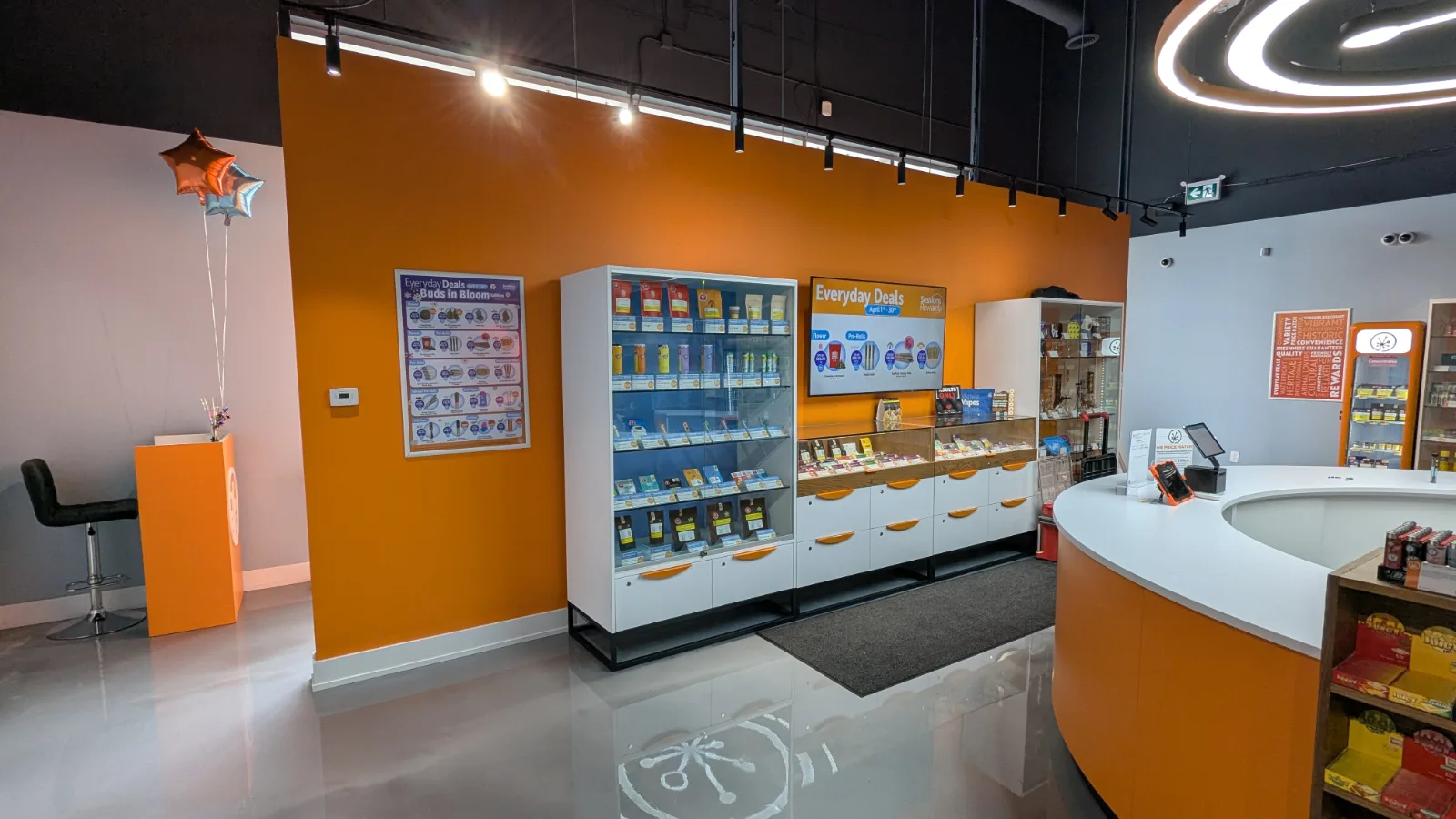
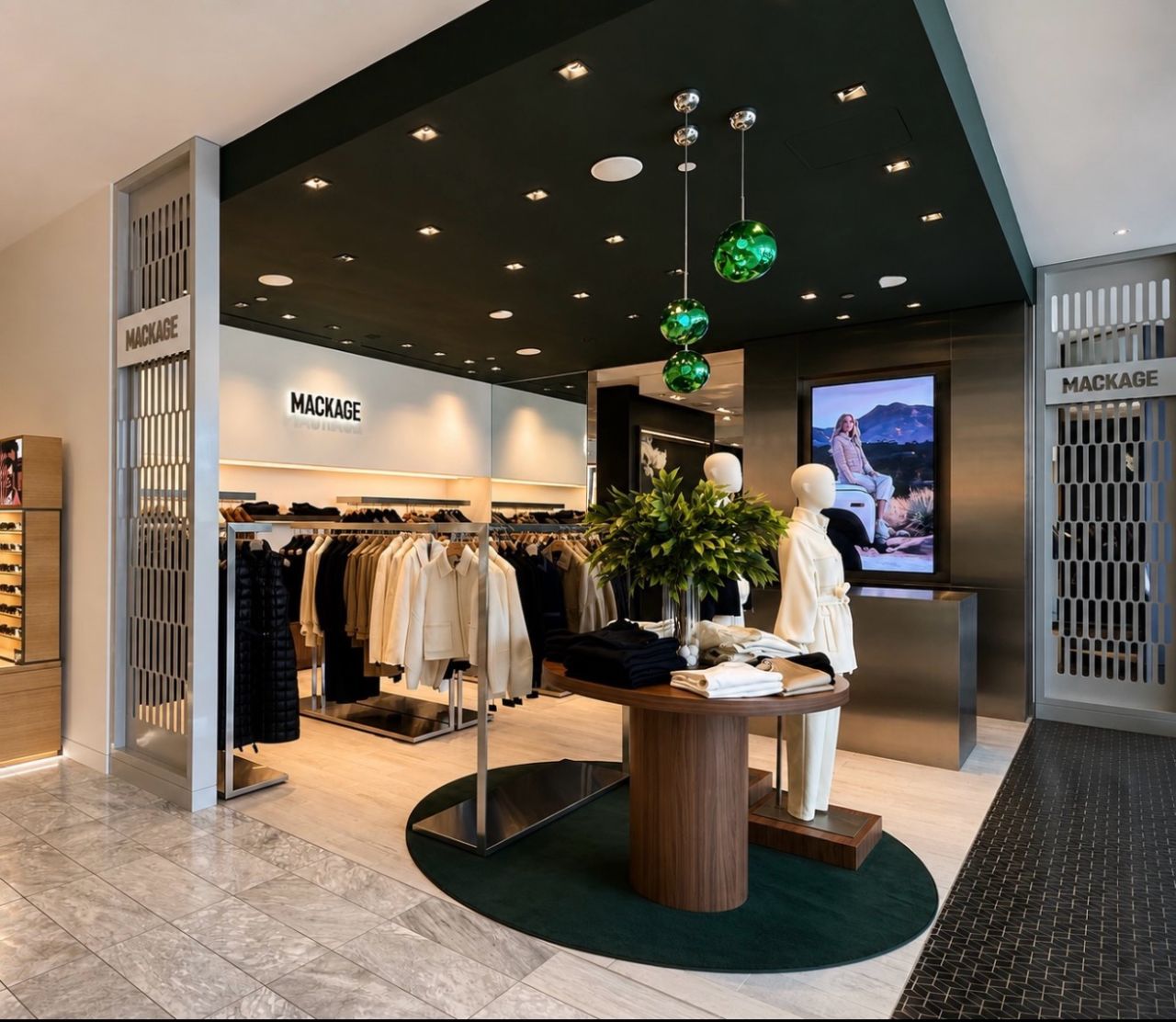
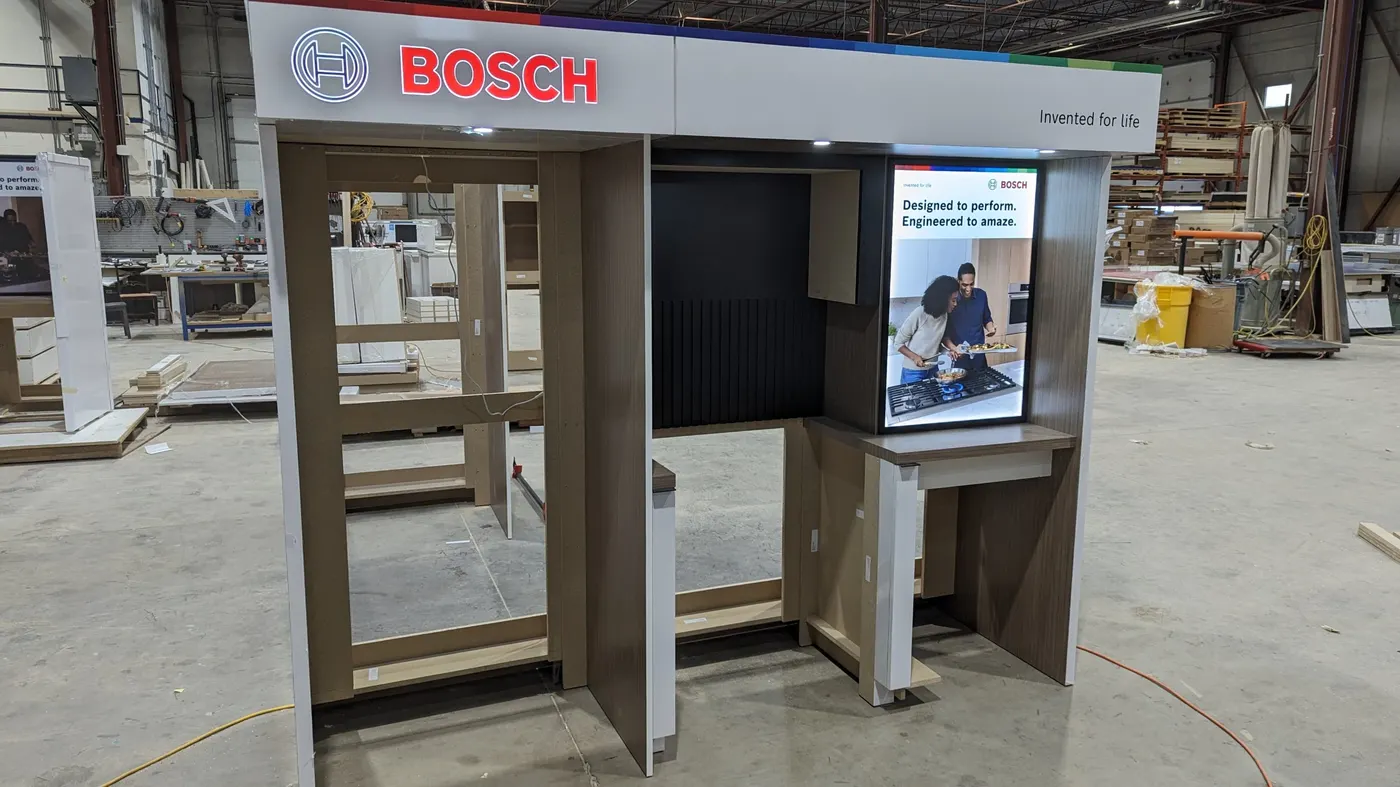
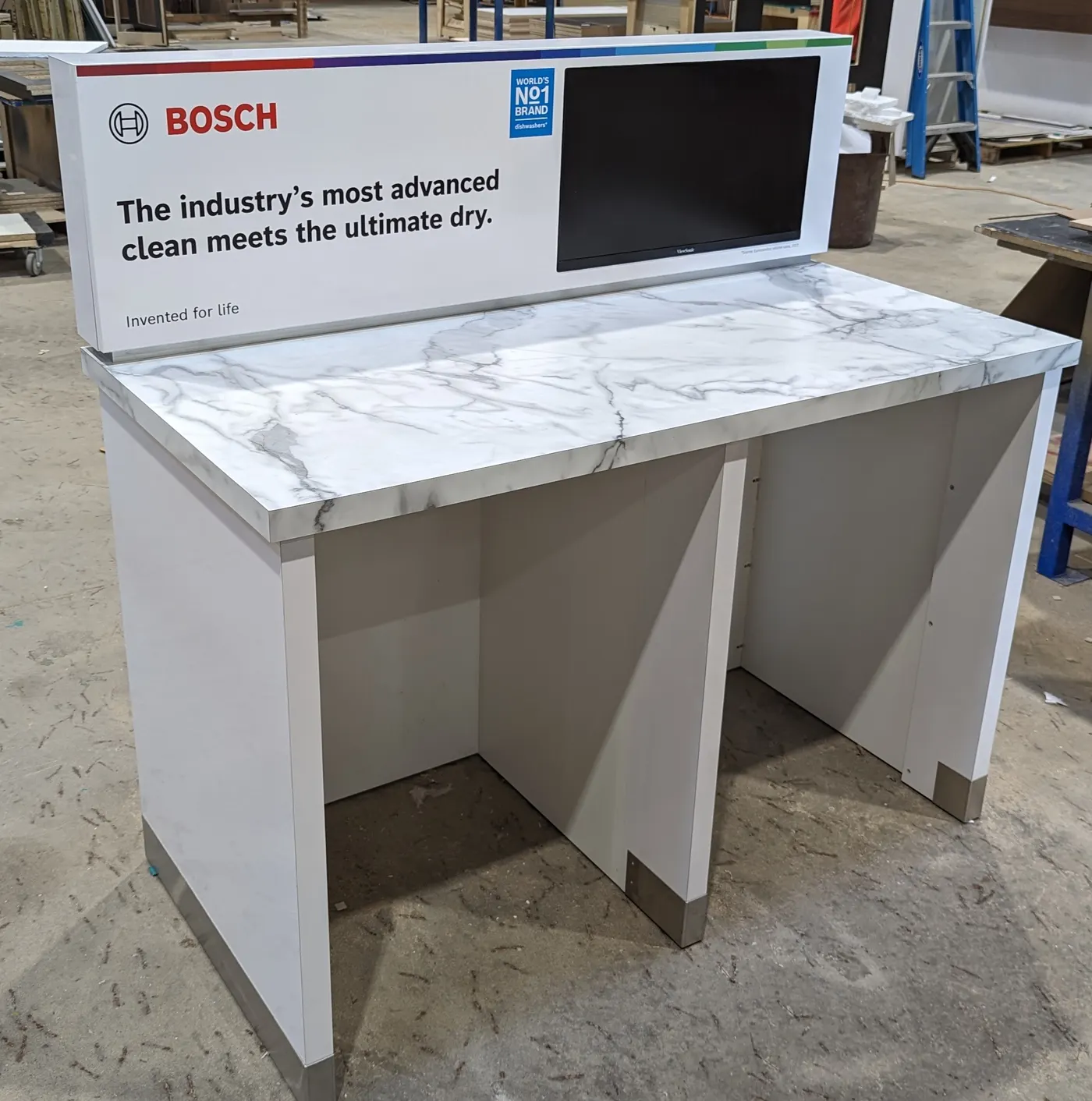
- Permanent displays are built as fixtures: plywood or MDF cores, high-pressure laminate, veneer, solid surface, powder-coated steel, tempered glass. They are typically planned for several years in store, built to take restocking and daily cleaning, and are often installed by a contractor. Cash wraps, wall systems, display cases, branded gondolas, in-store appliance displays and shop-in-shop units all fall here.
- Semi-permanent displays are built to the same standards but planned for shorter programs, typically several months to a few years. They are typically freestanding, knock-down or modular, so they can be shipped flat, moved between stores and refreshed with new graphics. Seasonal programs, product launches, brand pop-ups and test fixtures sit here.
- Temporary displays are corrugated or lightweight plastic units made for a promotion, usually weeks to a few months. DNS does not manufacture these. If that is what the project needs, a packaging or POP printer is the right supplier.
The same materials can be used for either. The difference is how long the fixture will be used and whether it will be redeployed. Many brands build a semi-permanent unit to a permanent standard so the same fixture can be redeployed.
What DNS builds
- Branded merchandisers and gondolas: single- and double-sided units with adjustable shelving, product-specific holders, graphic panels and lighting provisions.
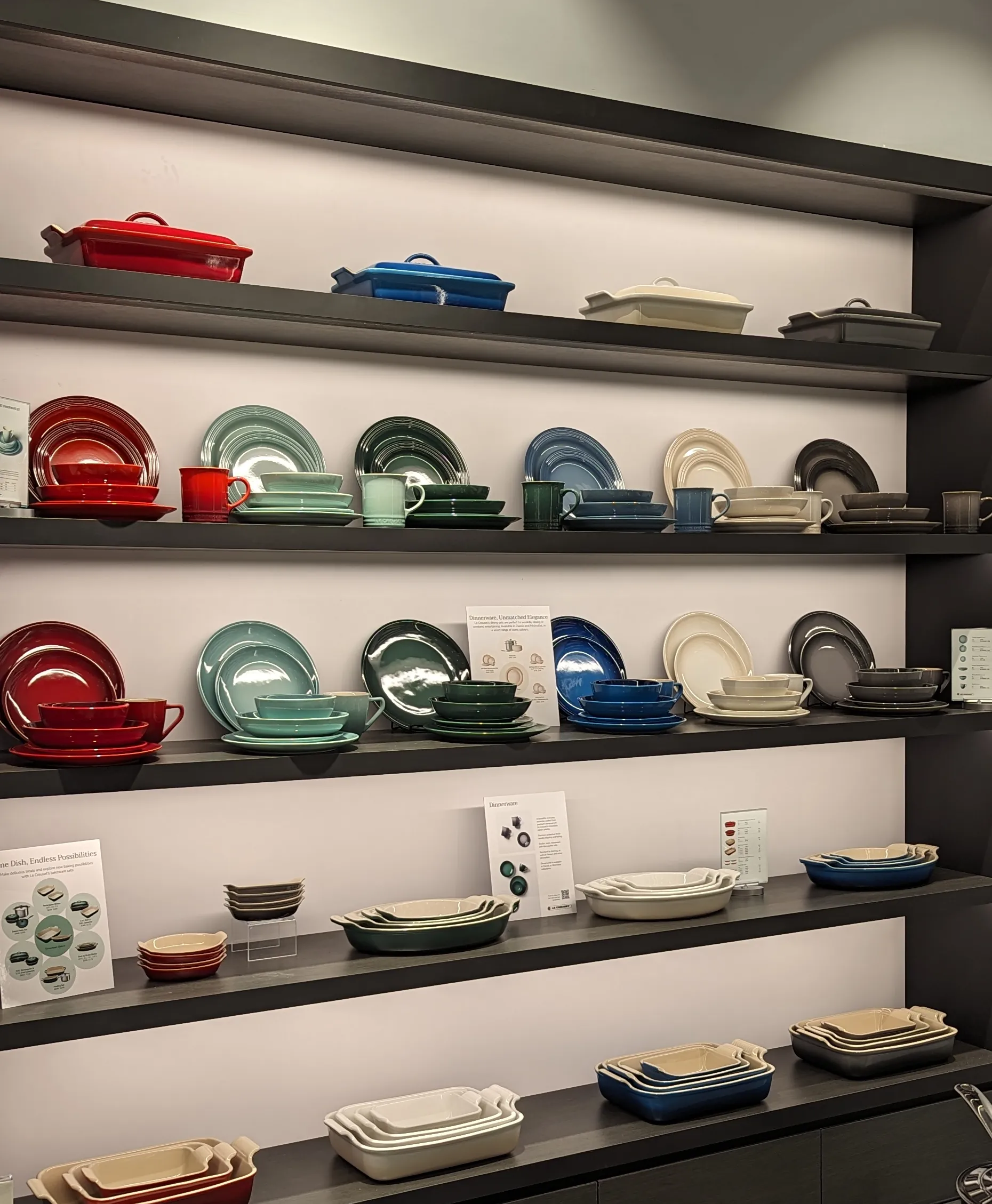
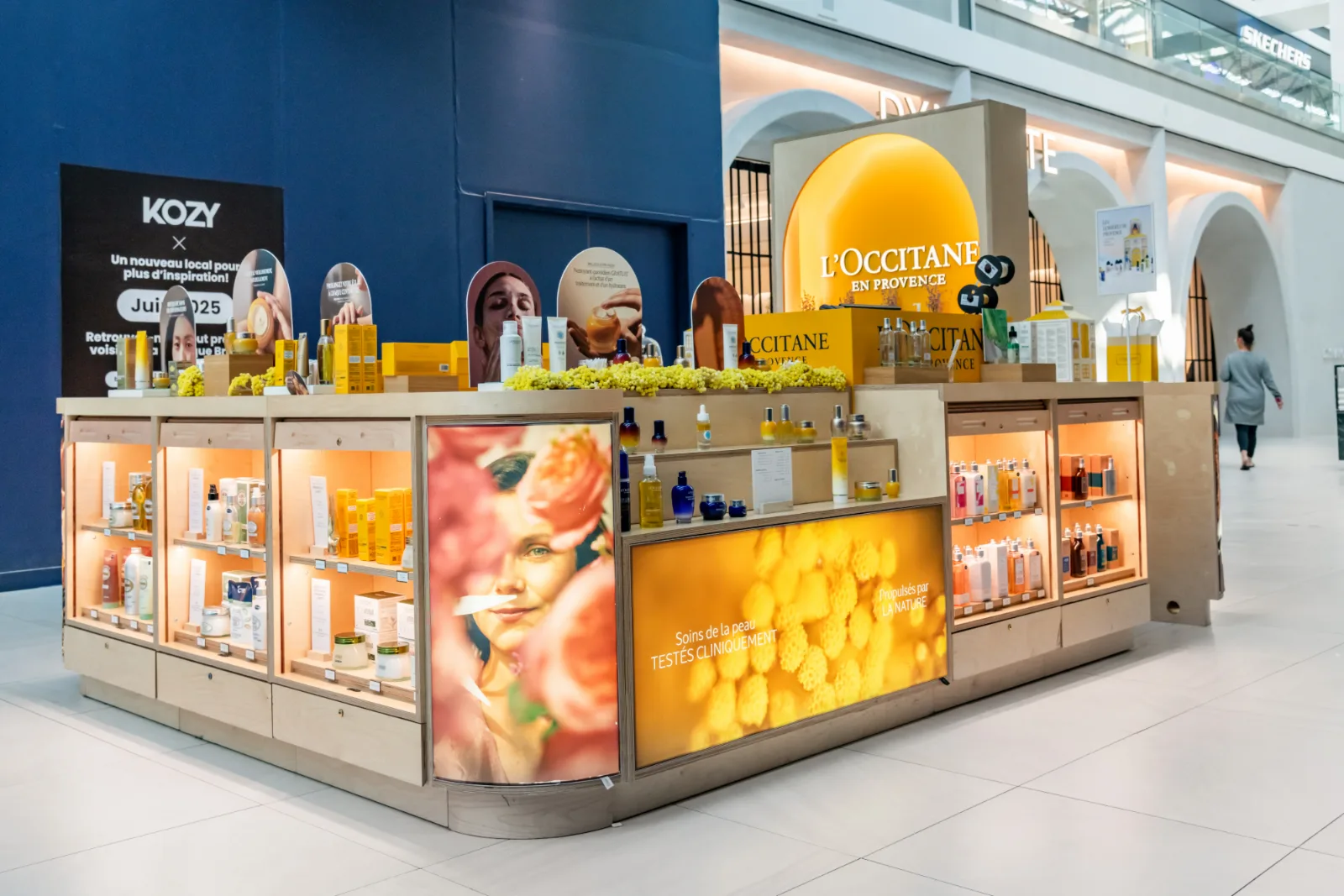
- In-store brand displays inside host retailers: appliance, cookware, bedding and beauty displays built to a brand standard and to the host retailer’s fixture rules. See our shop-in-shop display programs.
- Counters and cash wraps: service counters, checkout counters and consultation desks in laminate, veneer and solid surface.
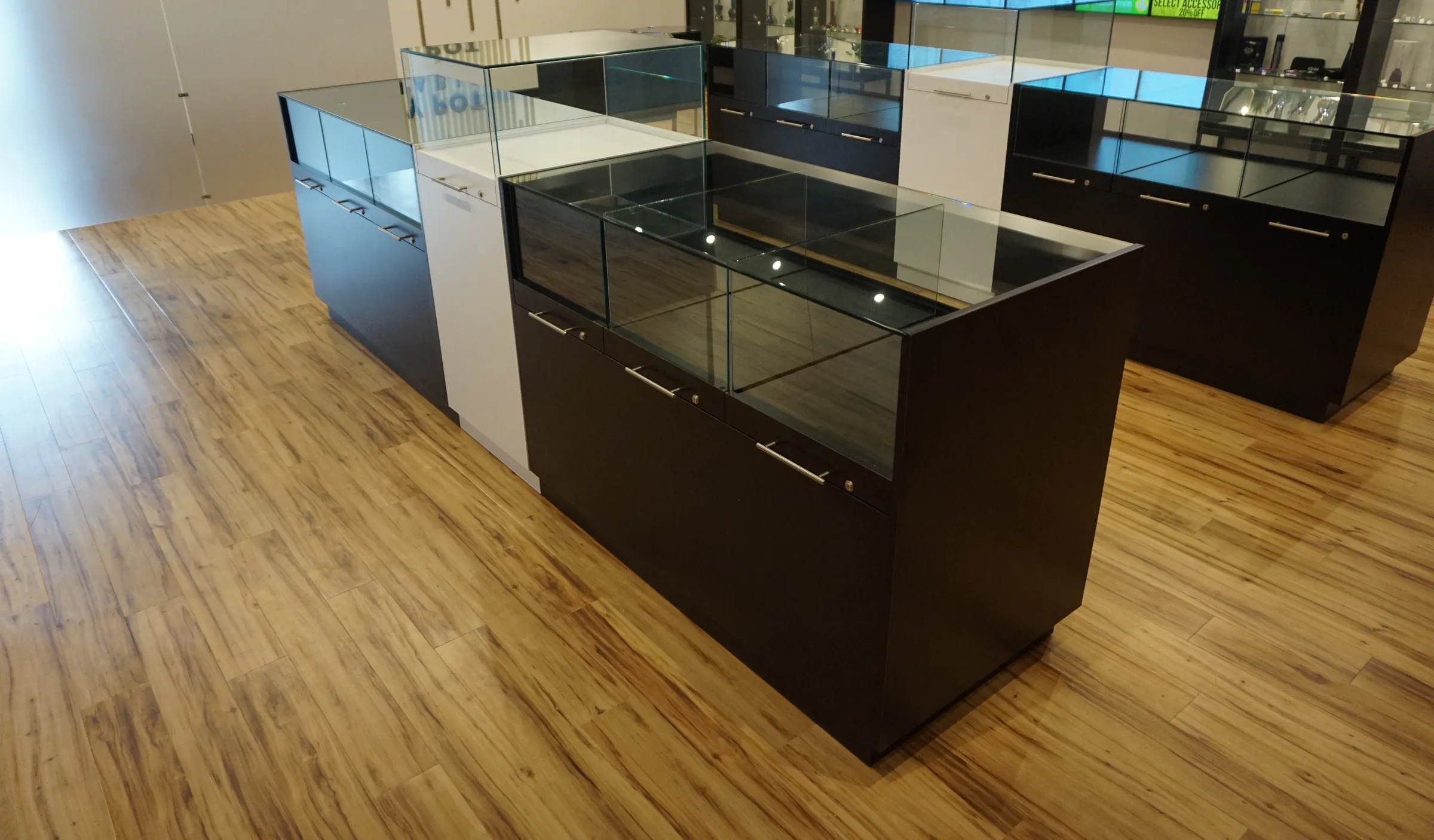
- Display cases and showcases: glass-fronted cases with locks and lighting provisions for cannabis, cosmetics, jewellery and electronics.
- Wall systems and feature walls: slatted and panelled walls, backlit bays, shelving systems and headers.
- Kiosks, tables and plinths: mall kiosks, nesting tables, pedestals and product islands.
- Acrylic and illuminated components: acrylic risers, sleeves and sign holders, with LED integration coordinated to project requirements and jurisdiction.
How a display program runs
- Brief and drawings. You send the design intent, brand standards, product dimensions and the store list. If a host retailer is involved, we also work from its fixture and planogram rules.
- Shop drawings and first article. We produce shop drawings for approval, then build a first unit for sign-off, loaded with product where possible. Changes are made at this stage, before the run.
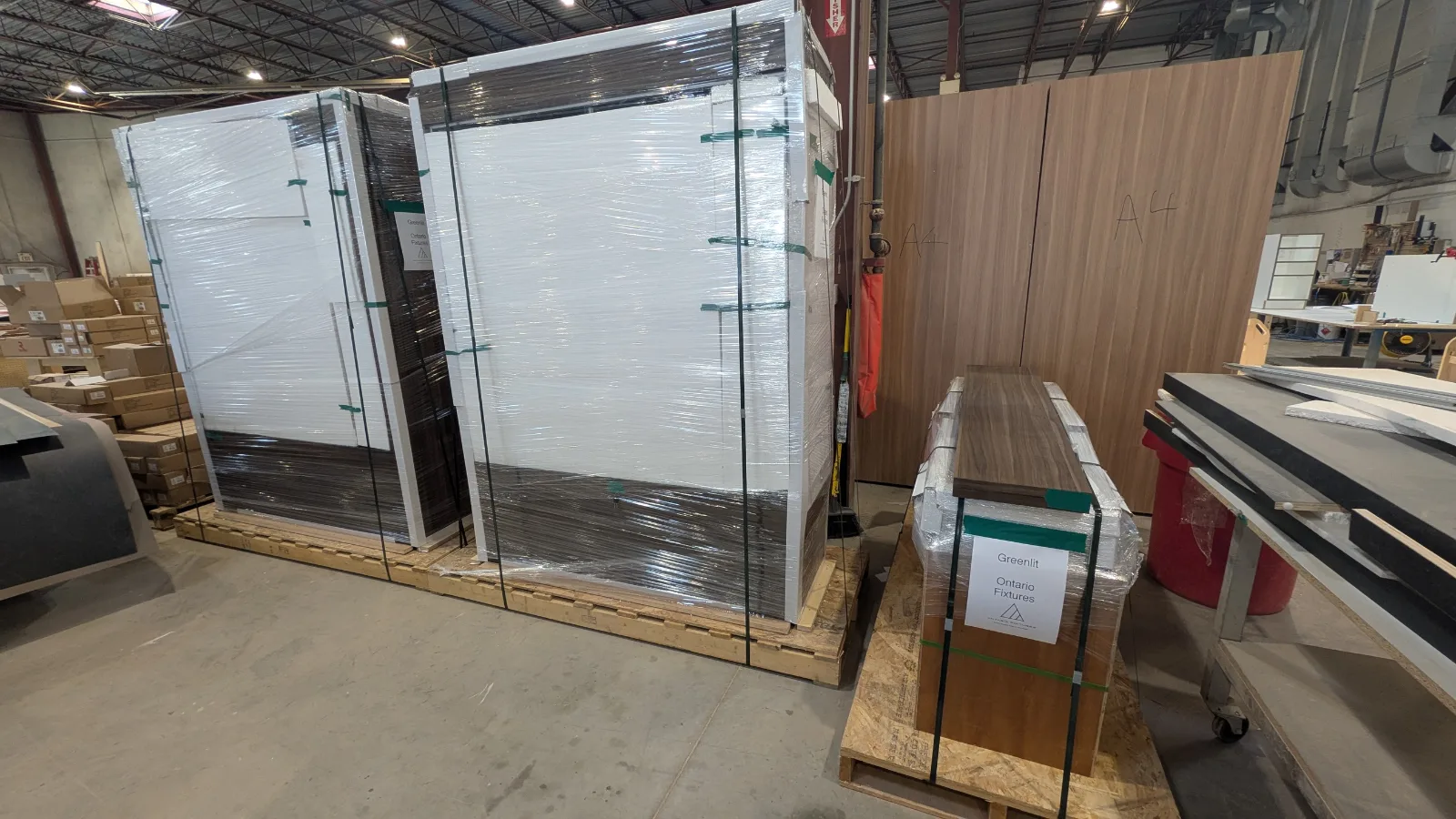
- Production in batches. Repeated components are CNC machined, finished and assembled in batches in our 40,000 sq ft Vaughan facility. Metal, glass, stone and graphics are made to our drawings by specialist suppliers we manage, and pre-fitted where possible.
- Kitting and staging. Units are packed and labelled by store, with hardware and install documents, and held until each store’s delivery window.
- Shipping and installation. We ship across Canada and to the United States. Installation is by your contractor or our installation partners, working from our install documents.
- Refresh and redeployment. Semi-permanent programs usually come back for new graphics, new product holders or redeployment to another store. We keep the drawings and can rebuild or modify from them.
What drives the price
Costs for custom retail displays are set by a few things, in roughly this order:
- Quantity. Set-up, drawings and first article are a fixed cost; the unit price falls as the run grows.
- Materials. Laminate on plywood is the baseline. Veneer, solid surface, glass, steel and lighting provisions each add cost over laminate.
- Complexity. Curves, integrated lighting provisions, locking glass, moving parts and product-specific holders add drafting and assembly time.
- Finish standard. A unit that will be photographed and inspected by a brand team costs more than back-of-house casework.
- Packaging and freight. Knock-down units that ship flat cost less to move than assembled units; cross-border shipments add brokerage and any duties, which we include in a delivered price.
Send drawings, a product list and a store count and we will return a budget and point out where cost or construction can be simplified. Our cost guide gives typical ranges for millwork and fixtures.
Who we build for
Retail brands and their agencies, store planning and visual merchandising teams, and general contractors delivering a fit-out. Recent programs include a multi-retailer appliance display program, a multi-format beauty rollout and cannabis retail programs across North America. Project photos are in Our Work.
Frequently asked questions
What is the minimum order for a custom display?
There is no fixed minimum. One-off flagship fixtures and runs of several hundred units both go through the same drawing and first-article process. The unit price reflects the quantity.
How long does a display program take?
It is project dependent. Materials, quantity and how quickly shop drawings are approved set the schedule, and glass, metal and lighting components usually take longest. We give a schedule with the quote, planned back from your first delivery date. See our lead-time guide.
Can you build to a host retailer’s fixture standard?
Yes. We work from the host retailer’s fixture guidelines and planogram rules as well as the brand standard, and we have built programs deployed inside national big-box and specialty retailers.
Do you make corrugated or cardboard displays?
No. We build fixture-grade displays in wood, laminate, solid surface, acrylic, glass and metal.
Do you ship to the United States?
Yes. We ship to US stores regularly, prepare the customs paperwork with your broker or ours, and quote a delivered price by store that includes freight, brokerage and any duties.
Can you handle the lighting?
We build the provisions for LED lighting into the fixture. Supply, installation and connection of the lighting are by the client or their electrician unless agreed otherwise for the project.
Send drawings or a brief for a quote on a permanent or semi-permanent display program.